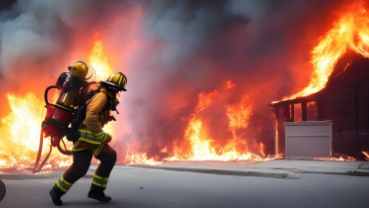
Construction sites, commercial buildings, and industrial facilities often face elevated fire risks due to ongoing hot work, electrical systems, and stored combustible materials. Maintaining a safe environment requires constant monitoring and immediate response to potential hazards. In such situations, fire watch services play a critical role in preventing fire incidents and ensuring compliance with safety regulations while protecting lives and property. These services are specially designed to provide round-the-clock surveillance, quick hazard detection, and timely reporting of fire risks before they escalate into emergencies.
Why Fire Safety Monitoring is Essential on Construction Sites
Construction environments are highly dynamic, with frequent changes in structure, equipment placement, and electrical wiring. This makes them more vulnerable to fire outbreaks. Workers often use welding, cutting, and other heat-producing tools that increase ignition risks. Continuous fire monitoring ensures that any spark or overheating issue is immediately controlled, reducing the possibility of major fire accidents and project delays.
Fire Risk Statistics and Real-World Concerns
Industry safety studies consistently show that a significant percentage of construction-related fires occur due to unattended hot work activities and electrical faults. Even a small ignition source can lead to rapid fire spread in environments filled with wood, insulation, and fuel-based materials. Industrial facilities face similar risks, especially where heavy machinery and flammable chemicals are stored. These conditions highlight the importance of structured fire supervision and preventive action strategies.
Industrial and Commercial Facility Protection
Large industrial facilities, warehouses, and commercial buildings require a systematic approach to fire safety. Continuous patrols, hazard identification, and monitoring of high-risk zones help reduce vulnerabilities. Regular inspections also ensure compliance with local fire codes and insurance requirements. Proper fire watch protocols can significantly minimize downtime and financial losses caused by unexpected fire incidents.
Key Benefits of Professional Fire Monitoring
Professional fire safety services provide trained personnel who understand risk patterns and emergency response procedures. Their presence ensures immediate detection of smoke, sparks, or overheating equipment. They also maintain detailed logs, coordinate with emergency responders, and ensure evacuation protocols are followed if required. This proactive approach greatly enhances overall site safety and operational continuity.
Conclusion
Fire safety is not just a regulatory requirement but a critical component of operational responsibility in high-risk environments. Construction sites, industrial zones, and commercial buildings benefit greatly from structured monitoring systems that reduce hazards and improve response times. Implementing reliable safety practices ensures protection of assets, workforce safety, and uninterrupted project progress while maintaining compliance with industry standards.