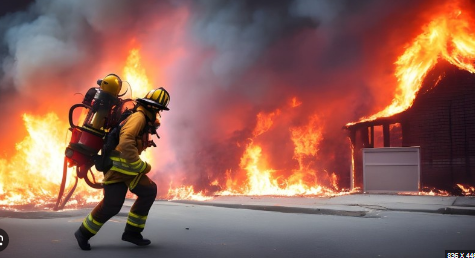
High-risk operations are activities where the likelihood of fire increases due to heat, equipment stress, or temporary changes in normal conditions. Safety incident data consistently shows that Fire Watch Guards occur more frequently during maintenance work, equipment testing, or periods when standard safety systems are unavailable. These situations require closer attention, making additional oversight essential.
Why do high-risk operations need extra fire monitoring?
Statistical analysis of workplace incidents reveals that fire-related events spike during short-term operational changes. Even brief lapses in attention can allow small hazards to escalate. Fire watch guards provide focused monitoring during these periods, reducing the chance that early warning signs go unnoticed. Continuous human presence has been linked to lower incident rates in high-risk environments.
How do fire watch guards identify hazards during high-risk activities?
Fire watch guards are trained to observe conditions that commonly lead to fire, such as overheating machinery, sparks, or improper handling of materials. Loss-prevention studies indicate that identifying these issues early can reduce fire damage severity by a significant margin. Guards monitor active work areas closely, ensuring potential risks are addressed immediately.
What role do fire watch guards play in rapid response?
Response time is critical when risk levels are elevated. Emergency response data shows that incidents controlled within the first few minutes are far less likely to spread. Fire watch guards are positioned to act instantly, alerting personnel, coordinating safe movement, and helping contain hazards when appropriate. This immediate action supports faster resolution and limits operational impact.
How do fire watch guards support worker safety during operations?
Protecting people is a primary objective. Workplace safety studies consistently find that visible safety oversight improves awareness and reduces unsafe behavior. Fire watch guards ensure work zones remain orderly, exits are accessible, and risky practices are corrected promptly. These actions contribute to fewer injuries and a safer working environment during demanding operations.
Do fire watch guards help protect property and equipment?
Yes. Property loss data shows that equipment and infrastructure are especially vulnerable during high-risk activities. Fire watch guards focus on preventing small issues from becoming major incidents, helping preserve valuable assets. Early intervention during these operations can significantly lower repair and replacement costs.
How do fire watch guards help maintain operational continuity?
Operational disruptions caused by fire incidents often extend well beyond the initial event. Performance metrics indicate that unplanned downtime can have lasting financial and logistical consequences. By reducing the likelihood of incidents during high-risk operations, fire watch guards help keep projects on schedule and operations running smoothly.
Are fire watch guards effective for short-term, high-risk periods?
Incident trend reports suggest that even temporary increases in risk require dedicated attention. Fire watch guards can be deployed specifically for these short-term periods, providing targeted oversight without long-term disruption. This flexibility makes them a practical solution for managing fluctuating risk levels.
What long-term benefits come from using fire watch guards during high-risk operations?
Over time, organizations that prioritize enhanced monitoring during high-risk activities often show improved safety records. Data from safety reviews highlights fewer repeat incidents and better hazard awareness. These improvements support stronger operational resilience and reduced overall risk.
Final takeaway
Fire watch guards play a crucial role in enhancing fire safety during high-risk operations. Through continuous monitoring, early hazard detection, and rapid response, they provide a data-supported approach to reducing risk. Their presence helps protect people, preserve property, and maintain operational stability when conditions are most challenging.